


Silestone Concrete Pulse/Suede Quartz Gray Kitchen Countertop SAMPLE ( 4-in x 6-in )
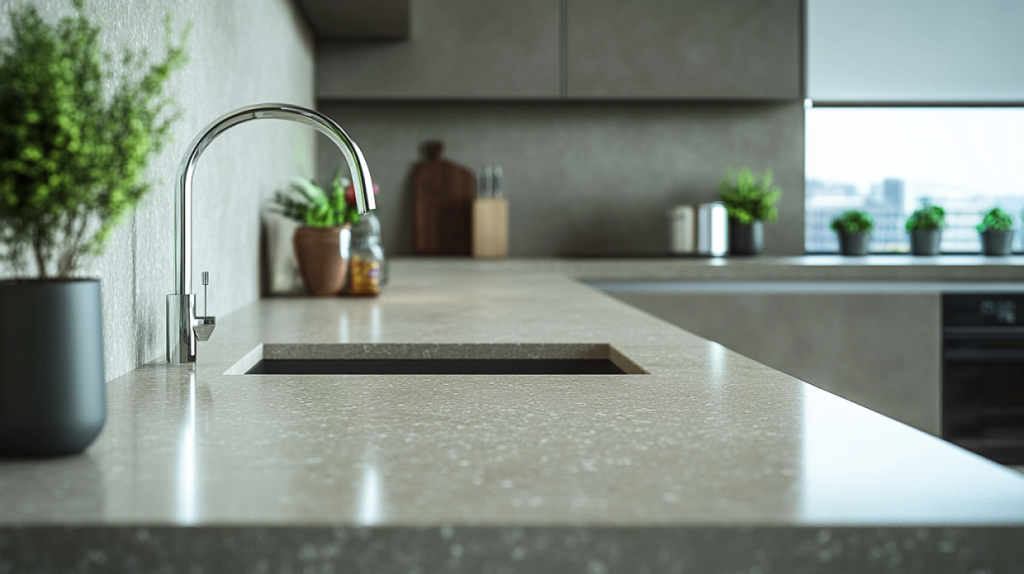
- The grey tone of Concrete Pulse is perfect for eclectic interiors where it helps to create a vibrant show of contrasts.
- Blends seamlessly with the colors and design elements of modern vintage style.
- Silestone offers maintenance free premium performance
$5.00
When I decided to renovate my kitchen last year, I spent countless hours researching countertop materials. I wanted something that would stand the test of time, both in durability and style. After weeks of deliberation, I finally discovered what would become the cornerstone of my kitchen design: Silestone Concrete Pulse. This modern engineered quartz has completely transformed my space, and I’m excited to share everything I’ve learned about this remarkable material.
My Journey to Discovering Silestone Concrete Pulse
Before diving into the nitty-gritty details, let me take you back to where my countertop journey began. My previous kitchen featured dated laminate countertops that had seen better days. Water damage near the sink, burn marks from hot pans, and countless scratches made it clear that whatever I chose next needed to be virtually indestructible.
I initially considered concrete countertops, drawn to their industrial appeal and ability to be customized. However, the maintenance requirements and potential for cracking gave me pause. That’s when a designer friend suggested I look into Silestone’s engineered quartz options, specifically their Concrete Pulse color.
The moment I saw the sample, I was sold. It captured everything I loved about concrete—the depth, the subtle variations, the contemporary feel—without the drawbacks. But I didn’t want to make an impulsive decision, so I dug deeper. What follows is everything I discovered about Silestone Concrete Pulse, from its composition to its cost, and why it ultimately became the perfect foundation for my dream kitchen.
What Exactly Is Silestone Concrete Pulse?
Silestone Concrete Pulse is a premium engineered quartz surface manufactured by Cosentino, a global leader in innovative surfaces. Unlike natural stone countertops like granite or marble, Silestone is engineered using approximately 90% natural quartz crystals combined with resins and pigments to create a non-porous, highly durable surface.
Concrete Pulse specifically is designed to mimic the look of poured concrete with its soft gray base and subtle, lighter-toned particulates that give it dimension without being overly busy. It belongs to the Silestone Loft Collection, which draws inspiration from industrial design and urban architecture.
What makes Concrete Pulse particularly special is its ability to capture the raw, industrial essence of concrete while offering significantly enhanced performance characteristics. The surface features a balanced pattern that’s consistent enough to be predictable during installation but varied enough to avoid the artificial appearance that plagues some engineered surfaces.
I found that unlike actual concrete, which can appear cold and stark, Concrete Pulse has a warmth to it that makes it incredibly versatile in various design contexts. Its medium gray tone features subtle white speckling that adds depth and character, creating a surface that’s both sophisticated and approachable.
How Concrete Pulse Compares to Other Silestone Colors
When selecting a countertop material, I wasn’t just comparing Silestone to other brands; I was also comparing Concrete Pulse to other colors within the Silestone range. After requesting several samples, I was able to make some direct comparisons.
Compared to Silestone’s lighter options like White Zeus or Blanco Maple, Concrete Pulse offers significantly better practicality for everyday use. Those pristine white surfaces, while stunning, would show every coffee stain and tomato sauce splatter. On the other end of the spectrum, very dark options like Charcoal Soapstone or Eternal Marquina, while dramatic, showed water spots and fingerprints too easily for my busy kitchen.
Within the gray family, I found that Concrete Pulse struck the perfect balance. It’s lighter than options like Cemento or Industrial Gray, giving my kitchen a more open, airy feel, but it still has enough depth to ground the space and hide the inevitable signs of daily use.
What really sets Concrete Pulse apart from other Silestone colors is its remarkable versatility. While some colors feel distinctly modern (like the vibrant Posidonia Green) or traditional (like Calacatta Gold with its veining), Concrete Pulse has a chameleon-like quality that allows it to adapt to its surroundings. This adaptability was crucial for me, as I wanted a kitchen that could evolve with my changing tastes without requiring new countertops.
The Perfect Canvas for Modern Kitchen Design
If you’re drawn to contemporary design with clean lines and a minimalist aesthetic, Concrete Pulse is an exceptional choice. In my own kitchen renovation, I was aiming for a modern space that wouldn’t feel cold or sterile, and this countertop material delivered perfectly.
The subtle gray tones create a neutral backdrop that allows other design elements to shine. In my case, I paired Concrete Pulse with matte black cabinetry for a high-contrast look that feels both on-trend and timeless. The countertops provide just enough visual interest without competing with my statement pendant lights or the ceramic tile backsplash.
What I particularly appreciate about Concrete Pulse in a modern kitchen is its ability to bridge different material finishes. It works beautifully alongside stainless steel appliances, brass hardware, wooden accents, or matte black fixtures. This versatility made the overall design process much more flexible.
The industrial character of Concrete Pulse also lends itself perfectly to open shelving displays. The contrast between the solid, substantial countertops and more delicate items like glassware or ceramics creates a pleasing visual balance. I found that my white dinnerware collection pops beautifully against the gray backdrop, creating an effortlessly stylish display.
For those embracing the popular “modern farmhouse” trend, Concrete Pulse offers an interesting counterpoint to more rustic elements. The juxtaposition of its sleek, contemporary surface with elements like shiplap or reclaimed wood creates a sophisticated blend of old and new that feels fresh rather than contrived.
Key Features of Silestone Concrete Pulse Countertops
After living with my Concrete Pulse countertops for over a year now, I’ve come to appreciate several key features that set this material apart from other options I considered.
First and foremost is the incredible durability. As someone who cooks daily and isn’t always gentle with my surfaces, I needed something that could withstand real life. Silestone Concrete Pulse has proven virtually indestructible in my busy kitchen, handling everything from knife slips to hot pots with impressive resilience.
The non-porous nature of this engineered quartz is another standout feature. Unlike natural stone or concrete, which must be sealed regularly to prevent staining, Silestone Concrete Pulse is inherently resistant to liquid penetration. This means that spilled red wine, olive oil, or coffee won’t become permanent reminders of kitchen mishaps.
The color consistency from slab to slab is also worth noting. When ordering natural stone, there can be significant variations between slabs that make matching difficult, especially for larger kitchens. With Concrete Pulse, the engineered manufacturing process ensures a much more predictable outcome, though still with enough variation to maintain visual interest.
Another feature I’ve come to appreciate is the subtle reflectivity of the surface. It’s not high-gloss by any means, but it does have enough light-reflecting properties to help brighten my kitchen space, especially on darker winter days. This quality makes it feel more sophisticated than plain concrete while still maintaining the industrial aesthetic I wanted.
The thickness options (typically available in 2cm and 3cm) allow for different edge profiles and installation styles. I opted for the thicker 3cm with a simple eased edge for a clean, substantial look that complements my modern cabinetry perfectly.
The Investment: Cost Considerations for Concrete Pulse
Let’s talk about what’s often the deciding factor in countertop selection: cost. Silestone Concrete Pulse is undeniably a premium material, and it comes with a price tag to match. During my research phase, I found that prices typically ranged from $70 to $100 per square foot installed, depending on my location, complexity of the job, edge profile choice, and local labor rates.
For my kitchen, which required approximately 45 square feet of countertop surface, the investment was significant—roughly $3,600 to $4,500 for the countertops alone. This positioned Concrete Pulse in the mid-to-high range of countertop options, more expensive than laminate or tile but generally less than natural marble or high-end granite.
However, I’ve come to view this as money well spent. When I consider the longevity of the material (expected to last 25+ years with proper care), the cost per year of use is quite reasonable. Additionally, the added value to my home made it a wise investment from a resale perspective, as quartz countertops consistently rank high on homebuyers’ wish lists.
There were ways I found to manage costs without compromising on the material itself. Opting for a simpler edge profile reduced fabrication costs. Working directly with a fabricator rather than going through a big box store saved on markup. And consolidating my sink and cooktop cutouts into a single slab minimized waste and associated costs.
Some fabricators offer remnant pieces at reduced prices, which can be perfect for smaller projects like bathroom vanities or laundry room counters. This approach allowed me to carry the Concrete Pulse look into my guest bathroom at a fraction of the full slab price.
Where to Purchase Silestone Concrete Pulse
Finding the right supplier for Silestone Concrete Pulse took some research, but I discovered several reliable options. If you’re considering this material for your own project, here’s what I learned about purchasing channels:
Authorized Silestone dealers offer the most direct route to purchasing Concrete Pulse. These specialized countertop fabricators have established relationships with Cosentino (Silestone’s manufacturer) and typically have the most up-to-date samples and information. I found my local dealer through Silestone’s website dealer locator, which simplified the process considerably.
Kitchen and bath showrooms often carry Silestone products and can be excellent resources for seeing larger samples in context with cabinetry and other design elements. The design professionals at these showrooms provided valuable advice about complementary materials and finishes, which helped me visualize the final result.
Home improvement centers like Home Depot and Lowe’s have partnerships with Silestone and offer their products through their countertop departments. While these can be convenient one-stop shopping experiences, I found the selection of samples and expertise about specific colors like Concrete Pulse somewhat limited compared to dedicated dealers.
For those on a tighter budget, it’s worth inquiring about “seconds” or remnants from fabricators. These are leftover pieces from larger jobs or slabs with minor imperfections that don’t meet Silestone’s strict quality standards for prime projects. For smaller areas like a bathroom vanity or kitchen island, these can offer significant savings.
I ultimately chose to work with a local stone fabricator who specialized in quartz installations. This gave me the confidence that the team handling my countertops had specific experience with Silestone products and could address any installation challenges particular to Concrete Pulse.
The Finish: Polished, Suede, or Volcanic?
One of the decisions I needed to make when selecting Concrete Pulse was the surface finish. Silestone offers several finish options, each with distinct characteristics that affect both aesthetics and functionality.
The polished finish is the most traditional option, offering a glossy, reflective surface that enhances the depth of the Concrete Pulse color. This high-shine finish provides the greatest stain resistance and is the easiest to clean, as its smooth surface doesn’t trap debris. However, it does show fingerprints and water spots more readily than other finishes.
The suede finish (sometimes called “matte” or “honed”) offers a softer, more natural appearance with minimal reflectivity. I was drawn to this option because it more authentically replicates the look of poured concrete while providing a warmer, more tactile experience. The trade-off is slightly reduced stain resistance compared to polished, though still far superior to natural stone.
The volcanic finish (also called “N-Boost” in some Silestone lines) provides a textured surface with a tactile quality that adds dimension. While interesting, I found this finish less suitable for kitchen countertops as the texture can make thorough cleaning more challenging.
After much deliberation and testing samples in my own lighting, I chose the suede finish for my Concrete Pulse countertops. The subtle matte appearance perfectly captures the industrial concrete aesthetic I wanted while still offering the practical benefits of engineered quartz. In daily use, I’ve found that the suede finish hides water spots and fingerprints remarkably well, which has been a significant advantage in a busy kitchen.
Durability for High-Traffic Areas
My kitchen is undoubtedly the heart of my home—the place where meals are prepared, homework is completed, impromptu gatherings occur, and crafts are sometimes undertaken. This high-traffic, multi-purpose usage demanded a countertop material that could withstand constant use without showing wear.
After more than a year of daily use, I can confidently report that Silestone Concrete Pulse has exceeded my expectations for durability. The engineered quartz composition, which includes resins that bond the natural quartz particles together, creates a surface that’s significantly harder than natural stone options like marble or granite.
The hardness rating of Silestone (around 7 on the Mohs scale) means it resists scratching from everyday kitchen activities. While I still use cutting boards (directly cutting on any countertop material is never recommended), the occasional slip of a knife hasn’t left visible damage. This resilience extends to impacts as well—dropped utensils or cookware haven’t chipped or cracked the surface.
Another aspect of durability I’ve come to appreciate is the color stability. Unlike some natural stones that can yellow or darken over time with exposure to sunlight, Silestone Concrete Pulse has maintained its original appearance without fading or discoloration, even in areas near windows with direct sun exposure.
The non-porous nature of the material has proven invaluable in maintaining its like-new appearance. Without pores to trap stains or harbor bacteria, the surface hasn’t developed any of the patina (or less charitably, staining) that concrete or natural stone would show after a year of similar use.
For families with children or households that entertain frequently, this exceptional durability translates to peace of mind. I no longer feel the need to hover anxiously when guests are in the kitchen or to establish strict “countertop rules” for my family members.
Beyond the Kitchen: Concrete Pulse in Bathroom Design
While my primary application for Silestone Concrete Pulse was in my kitchen, I was so pleased with the material that I decided to incorporate it into my guest bathroom renovation as well. This decision allowed me to experience how versatile this material truly is across different spaces.
In the bathroom context, Concrete Pulse takes on a slightly different character. The cool gray tones create a spa-like atmosphere that feels clean and serene. I paired it with white vessel sinks for a contemporary look that coordinates beautifully with the chrome fixtures and frameless shower enclosure.
The practicality of Silestone in a bathroom environment cannot be overstated. The non-porous surface means that common bathroom products like makeup, hair dye, or skincare items won’t penetrate and stain the surface. Similarly, moisture resistance is excellent—no water rings or damage even in this high-humidity environment.
The continuity of using the same material throughout different spaces in my home has created a cohesive design flow that makes the entire house feel more intentional and carefully considered. Using remnants from my kitchen project for the bathroom vanity also made this a cost-effective choice.
For those considering bathroom applications, I would note that the suede finish in the bathroom shows water spots slightly more than in the kitchen (likely due to the harder water in the bathroom and more direct water contact). However, a quick wipe with a microfiber cloth easily restores the surface to its spotless condition.
The coolness of the material, both visually and to the touch, creates a refreshing counterpoint to warmer elements like wood cabinetry or textiles in the bathroom space. This balance of warm and cool elements prevents the room from feeling sterile or impersonal despite its contemporary design.
Maintenance Made Simple: Cleaning and Care
One of the most significant advantages of choosing Silestone Concrete Pulse has been the minimal maintenance required to keep it looking its best. As someone who prefers spending time enjoying my kitchen rather than maintaining it, this has been a welcome benefit.
For daily cleaning, I simply use a soft cloth or paper towel with warm water and a mild dish soap. This handles most spills and splatters without issue. For more stubborn residue, a non-abrasive cleaner specifically formulated for quartz surfaces does the trick. I keep a spray bottle of Silestone’s recommended cleaner under the sink for occasional deeper cleaning.
Unlike natural stone countertops, Silestone Concrete Pulse doesn’t require periodic sealing to maintain its stain resistance. This not only saves time and effort but eliminates the recurring cost of sealing products and the worry about when the next application is due.
The suede finish I selected does occasionally show water spots in certain lighting, particularly around the sink area. However, these disappear completely with a quick wipe using a microfiber cloth, requiring minimal effort to maintain a pristine appearance.
For those concerned about disinfection (particularly relevant in recent years), I’ve found that Silestone Concrete Pulse can be safely disinfected with a solution of 70% isopropyl alcohol and water. This provides peace of mind without risking damage to the surface, unlike bleach-based products which should be avoided on quartz surfaces.
Perhaps the most remarkable aspect of maintenance has been what I haven’t had to do—no polishing, no special treatments, no anxious cleaning of spills before they set. The countertop simply performs day after day with minimal intervention on my part.
Scratch Resistance: Putting It to the Test
Kitchen countertops inevitably face numerous potential scratch hazards—knife slips, abrasive cleaning tools, dragged cookware, and even everyday items like keys or sandy fruit set down without thought. Before investing in Silestone Concrete Pulse, scratch resistance was high on my list of requirements.
The natural quartz that makes up approximately 90% of Silestone’s composition is one of the hardest minerals found in nature (rating 7 on the Mohs hardness scale, where diamond is 10). This inherent hardness translates to exceptional scratch resistance in daily use.
In my experience, normal kitchen activities haven’t left visible scratches on my Concrete Pulse countertops. I still use cutting boards as a best practice, but the occasional slip of a knife or scrape of a pan hasn’t resulted in damage. This resilience gives me confidence when my less careful friends and family members are helping in the kitchen.
It’s worth noting that while Silestone is highly scratch-resistant, it’s not completely scratch-proof. Very sharp objects applied with significant force could potentially mark the surface. However, compared to softer materials like marble, soapstone, or laminate, the scratch resistance is remarkable.
The suede finish I selected seems to be particularly forgiving when it comes to minor surface abrasions. The slightly textured surface helps to visually mask any minor imperfections that might develop over years of use, which provides additional peace of mind for long-term satisfaction.
For those concerned about the appearance of scratches should they occur, Concrete Pulse’s variegated pattern and medium tone make it more forgiving than solid colors or very dark options, where scratches tend to be more visible.
Stain Resistance: Spills, Splashes, and Real-Life Tests
Anyone who spends time in the kitchen knows that staining is a legitimate concern for countertop materials. From red wine and tomato sauce to turmeric and coffee, my kitchen counters face potential staining agents daily. The non-porous nature of Silestone Concrete Pulse has proven to be a game-changer in this regard.
Unlike natural stone countertops, which can absorb liquids if not properly sealed, Silestone’s engineered quartz structure prevents liquids from penetrating below the surface. This means that potential stains remain on the surface where they can be easily wiped away, rather than becoming permanent features of the countertop.
I’ve inadvertently conducted several “stain tests” in my kitchen over the past year. A forgotten glass of red wine that sat overnight, turmeric powder spilled during an enthusiastic curry-making session, and an olive oil bottle that leaked slowly onto the counter all cleaned up without leaving any trace behind. This stain resistance has been particularly valuable around the sink area, where water spots and soap residue on natural stone would require constant vigilance.
The medium gray tone of Concrete Pulse also offers practical advantages when it comes to hiding minor discoloration or residue that might be visible on lighter countertop colors. While the surface doesn’t stain, this visual forgiveness provides an extra layer of practicality for busy households.
It’s worth noting that while Silestone is highly stain-resistant, prolonged exposure to certain harsh chemicals can potentially damage the resin bonds in the material. I’m careful to promptly wipe up any contact with products containing bleach, drain cleaners, or paint removers to maintain the integrity of the surface.
Design Versatility: Complementary Styles and Aesthetics
One of the qualities that initially attracted me to Concrete Pulse was its remarkable design versatility. Over the past year, I’ve experienced firsthand how this material adapts to different design contexts and complements various aesthetic directions.
The industrial-inspired look of Concrete Pulse makes it a natural fit for modern and contemporary design styles. In my kitchen, it pairs beautifully with flat-panel cabinetry, minimalist hardware, and streamlined appliances to create a cohesive contemporary space. The material’s subtle texture adds just enough visual interest without overwhelming the clean lines of the modern design.
Surprisingly, Concrete Pulse also works wonderfully in transitional spaces that blend traditional and contemporary elements. When I added some vintage-inspired pendant lights and a farmhouse sink to my kitchen, the countertops adapted seamlessly to this style evolution, proving their versatility.
The neutral gray tone creates an excellent foundation for both cool and warm color palettes. I’ve experimented with accessories in blues and greens (cool) and later switched to terra cottas and brass accents (warm), finding that the Concrete Pulse countertops complement both directions equally well.
For those drawn to the popular industrial aesthetic, Concrete Pulse delivers the perfect concrete look without the maintenance challenges of the real thing. Paired with elements like exposed brick, metal accents, and open shelving, it creates an authentic industrial vibe that feels both current and timeless.
I’ve found that Concrete Pulse also works beautifully as a background for various decorative elements. Whether displaying colorful cookware, arranging fresh flowers, or setting out a cheese board for guests, the neutral gray provides a sophisticated backdrop that allows other items to shine.
Heat Resistance: Hot Pots and Kitchen Realities
In a busy kitchen, heat resistance is a crucial consideration for countertop materials. While I always try to use trivets and hot pads as a best practice, the reality is that hot pots and pans occasionally find their way directly onto the counter surface, especially during hectic meal preparations.
Silestone Concrete Pulse has demonstrated excellent heat resistance in these real-world conditions. The engineered quartz can withstand brief exposure to hot cookware without suffering damage. However, it’s important to note that like all quartz surfaces, Silestone is not completely heatproof.
Extreme or prolonged heat exposure can potentially damage the resins that bind the quartz particles together. For this reason, I still use trivets for items coming directly from the oven or that will remain hot for extended periods. This simple precaution helps ensure the longevity of the countertop’s appearance.
I’ve found that the material’s heat resistance provides a practical buffer against typical kitchen temperature fluctuations. The occasional hot plate set down briefly or splashes from boiling water haven’t caused any visible damage or discoloration to my Concrete Pulse countertops.
This heat resistance, combined with the material’s other durable properties, creates a forgiving work surface that accommodates the realities of active cooking without requiring constant vigilance or causing anxiety about potential damage.
Color Coordination: Creating a Cohesive Palette
The neutral gray tones of Concrete Pulse provide an exceptionally versatile foundation for building a cohesive color palette throughout the kitchen and beyond. During my design process, I explored numerous color combinations and found that this countertop material complements an impressive range of color schemes.
For cabinetry, I ultimately chose a deep navy blue for the base cabinets with white upper cabinets, creating a striking contrast that the Concrete Pulse countertops bridge beautifully. The gray tone works as a neutral mediator between these contrasting colors, tying the look together harmoniously.
Other cabinet colors that pair exceptionally well with Concrete Pulse include crisp whites (for a clean, contemporary look), black (for dramatic contrast), various wood tones (for warmth and texture), and sage green (for a nature-inspired palette). This versatility allows for significant design flexibility both now and for future style updates.
For backsplashes, I selected a handmade ceramic tile in a soft white that allows the countertops to take center stage. The slightly irregular texture of the tiles complements the subtle variations in the Concrete Pulse surface, creating a pleasing interplay of finishes.
Metallic elements present another opportunity for color coordination. I found that Concrete Pulse works equally well with stainless steel, matte black, brass, or bronze fixtures and hardware. In my kitchen, I opted for brushed brass hardware and fixtures, which add warmth to the cool gray countertops and create a sophisticated, layered look.
Wall colors that complement Concrete Pulse range from crisp whites (my choice, for a bright, open feeling) to deeper hues like charcoal or navy for a more dramatic effect. The countertop’s neutral quality allows it to recede or stand out depending on the surrounding color choices.
Concrete Pulse vs. Real Concrete Countertops
Before settling on Silestone Concrete Pulse, I seriously considered authentic concrete countertops. The industrial aesthetic appealed to me, and I appreciated the artisanal quality of hand-poured concrete. However, my research revealed significant practical differences between the two options.
Real concrete countertops are inherently porous and require regular sealing to prevent staining. Even with diligent maintenance, they tend to develop a patina over time as they absorb oils, acids, and pigments from everyday use. While some homeowners appreciate this evolving character, I preferred the consistent appearance that Silestone Concrete Pulse maintains year after year.
Structural issues present another key difference. Authentic concrete is prone to hairline cracks over time due to settling, temperature changes, and the natural curing process. Silestone Concrete Pulse, with its resin-bound quartz composition, offers significantly greater structural stability and resistance to cracking.
Weight is another important consideration. Real concrete countertops are extraordinarily heavy, often requiring reinforced cabinetry and specialized installation. While Silestone is still substantial, it’s considerably lighter than solid concrete, making installation simpler and placing less stress on cabinetry.
From a design perspective, Silestone Concrete Pulse offers more consistent coloration and patterning than real concrete, which can vary significantly based on the mix, pour conditions, and curing process. This predictability made it easier to plan my overall kitchen design without worrying about unexpected variations.
The cost comparison was interesting—while premium Silestone initially seemed more expensive than basic concrete, once I factored in the specialized installation, sealing, and long-term maintenance of real concrete, the lifetime cost of Silestone became much more competitive.
Backsplash Possibilities with Concrete Pulse
Extending Silestone Concrete Pulse from the countertops to the backsplash creates a seamless, sophisticated look that I considered during my renovation. This application offers several advantages, including visual continuity, simplified cleaning (with no grout lines to maintain), and a streamlined installation process.
For my kitchen, I ultimately decided to use Concrete Pulse for the countertops while selecting a complementary backsplash material to add textural interest. However, I did use Concrete Pulse as a backsplash in my guest bathroom, where it creates a stunning waterfall effect from the vanity up the wall.
When using Silestone as a backsplash, fabricators typically cut the material into thinner slabs (often 1cm rather than the 3cm used for countertops) to reduce weight and cost. The seam between the countertop and backsplash can be nearly invisible when properly fabricated, creating the impression of a single, continuous surface.
For those considering this application, it’s worth noting that using Silestone for both countertops and backsplash represents a significant investment. In my bathroom, where the backsplash area was relatively small, this was manageable. For larger kitchen backsplashes, the cost can increase substantially.
Alternative backsplash options that pair beautifully with Concrete Pulse include handmade ceramic tiles (which add artisanal texture), glass tiles (for reflectivity and light), subway tiles (for classic appeal), or even stainless steel (to enhance the industrial aesthetic).
The decision to extend Concrete Pulse to the backsplash ultimately depends on your design priorities and budget considerations. For minimalist spaces where seamless surfaces are desired, it’s an excellent option. For kitchens where more visual variety is preferred, complementary materials can create equally stunning results.
Environmental Considerations: Sustainability of Silestone
As someone concerned about the environmental impact of my renovation choices, I researched Silestone’s sustainability credentials before making my final decision. What I discovered was a mixed but generally positive picture.
Cosentino, the manufacturer of Silestone, has made significant strides in recent years to improve the environmental performance of their products. Their HybriQ+ technology, featured in newer Silestone products including Concrete Pulse, reduces the crystalline silica content while incorporating recycled materials in the manufacturing process.
The company has also invested in water recycling systems at their production facilities, significantly reducing water consumption and wastewater generation. Their factories incorporate energy efficiency measures and some renewable energy sources, though they still rely partially on conventional energy.
From a longevity perspective, Silestone offers environmental benefits through its durability and resistance to damage. A countertop that lasts for decades without needing replacement represents a more sustainable choice than materials that require frequent replacement or extensive maintenance with chemical products.
The non-porous nature of Silestone also provides health benefits by preventing bacterial growth and eliminating the need for chemical sealants that can off-gas into the home environment. This contributes to better indoor air quality compared to some alternative materials.
One environmental drawback is that while quartz countertops are theoretically recyclable, the infrastructure for recycling them is not widely available in most areas. This means that at the end of their useful life (likely decades from now), they may still end up in landfills unless recycling options improve.
On balance, I found Silestone to be a reasonable environmental choice, particularly when considering its exceptional longevity and the manufacturer’s ongoing sustainability improvements.
Sealing and Long-Term Care: What to Expect
One of the most appealing aspects of choosing Silestone Concrete Pulse has been the freedom from the regular sealing requirements that natural stone demands. Unlike materials such as marble, granite, or actual concrete—all of which require periodic reapplication of sealants to maintain their stain resistance—Silestone is non-porous and never needs sealing.
This maintenance advantage translates to significant time and cost savings over the life of the countertop. I no longer need to track when the last sealing was performed or worry about diminished protection as sealants wear off. The surface maintains its stain resistance consistently year after year without intervention.
For long-term care, I’ve established a simple routine that keeps my Concrete Pulse countertops looking their best. Daily cleaning with a soft cloth and mild soap handles most situations. For deeper cleaning, I use a non-abrasive cleaner specifically formulated for quartz surfaces approximately once a week, particularly in high-use areas around the sink and cooktop.
While the material is highly resistant to damage, I still take basic precautions to protect my investment. I use cutting boards rather than cutting directly on the surface, place hot items on trivets rather than directly on the countertop, and promptly clean up potentially harmful substances like high-alkaline cleaners or paint removers.
These simple practices require minimal effort but help ensure that my Concrete Pulse countertops will maintain their beauty and functionality for decades to come. The peace of mind that comes with this low-maintenance performance has been one of the most satisfying aspects of my countertop choice.
Real Experiences: Customer Reviews and Satisfaction
Before making my final decision on Silestone Concrete Pulse, I researched customer reviews and spoke with homeowners who had lived with this material for several years. These real-world experiences provided valuable insights beyond manufacturer claims and showroom samples.
The feedback was overwhelmingly positive, with most owners reporting high satisfaction even after years of use. Particularly notable was the consistent praise for the material’s durability and stain resistance. Several reviewers mentioned incidents—red wine spills, turmeric stains, or children’s art projects gone awry—that would have permanently damaged other countertop materials but left Concrete Pulse unscathed.
Aesthetic longevity was another common theme in reviews. Unlike some trendy materials that quickly date a kitchen, Concrete Pulse’s neutral character and contemporary yet classic appearance continues to satisfy owners years after installation. This confirmed my hope that I was making a decision I wouldn’t regret as design trends evolve.
Some reviewers noted that the suede finish shows water spots more readily than the polished finish, particularly in hard water areas. However, most found that these were easily removed with a microfiber cloth and didn’t consider this a significant drawback given the other benefits of the material.
Installation experiences varied somewhat, with the quality of fabrication making a noticeable difference in customer satisfaction. Those who selected experienced fabricators specializing in quartz reported better results than those who chose the lowest-cost installation option, reinforcing the importance of quality craftsmanship in the final outcome.
Now that I’ve joined the ranks of Concrete Pulse owners, I can add my voice to the positive reviews. After more than a year of daily use, my countertops continue to perform beautifully and look as good as the day they were installed.
Conclusion: Why Silestone Concrete Pulse Was Right for My Home
After living with Silestone Concrete Pulse countertops for over a year, I can confidently say that this material has exceeded my expectations in nearly every respect. The perfect balance of industrial-inspired aesthetics and practical performance has made it the foundation of a kitchen that’s both beautiful and functional.
What I value most about Concrete Pulse is its remarkable versatility. As someone who enjoys changing decorative elements seasonally and evolving my home’s style over time, I appreciate having a countertop that adapts to these changes rather than limiting them. From modern minimalism to warmer transitional styles, Concrete Pulse provides a sophisticated backdrop that enhances rather than constrains my design choices.
The practical benefits have been equally impressive. Food preparation, cleanup, entertaining, and everyday living happen on these surfaces without the anxiety that accompanied my previous, less durable countertops. Wine can be spilled, hot pans can be temporarily set down, and acidic ingredients can splash without causing permanent damage—a freedom that makes cooking and entertaining significantly more enjoyable.
While the initial investment was substantial, the value has proven itself through daily use. When I calculate the cost over the expected lifetime of the countertops and consider the added value to my home, Silestone Concrete Pulse represents a worthwhile investment rather than merely an expense.
For anyone considering kitchen or bathroom countertop options, I would highly recommend exploring Silestone Concrete Pulse, particularly if you’re drawn to the concrete aesthetic but desire superior performance characteristics. The perfect combination of industrial style and practical durability makes Silestone Concrete Pulse an exceptional choice for modern homes where both beauty and functionality are priorities.