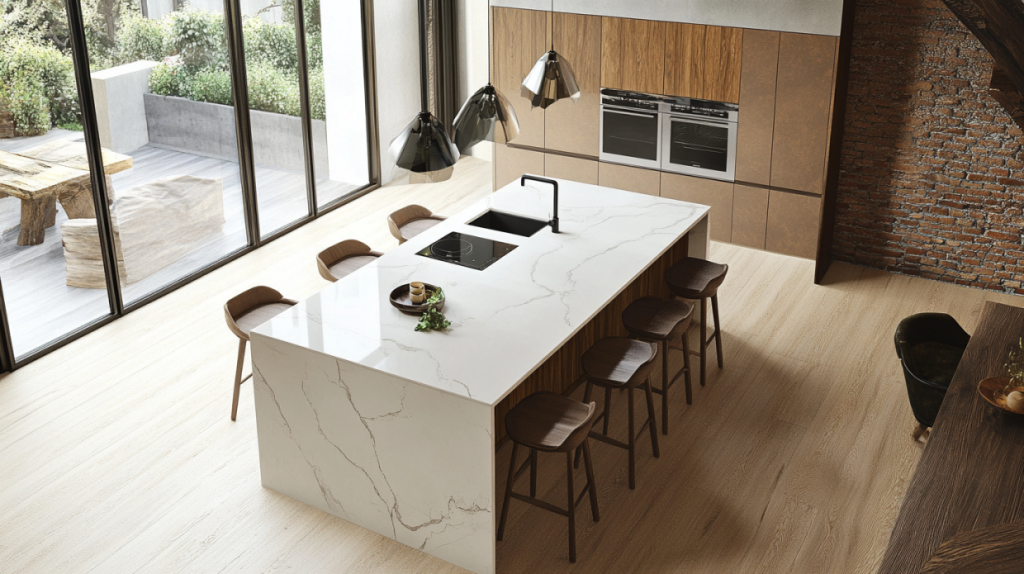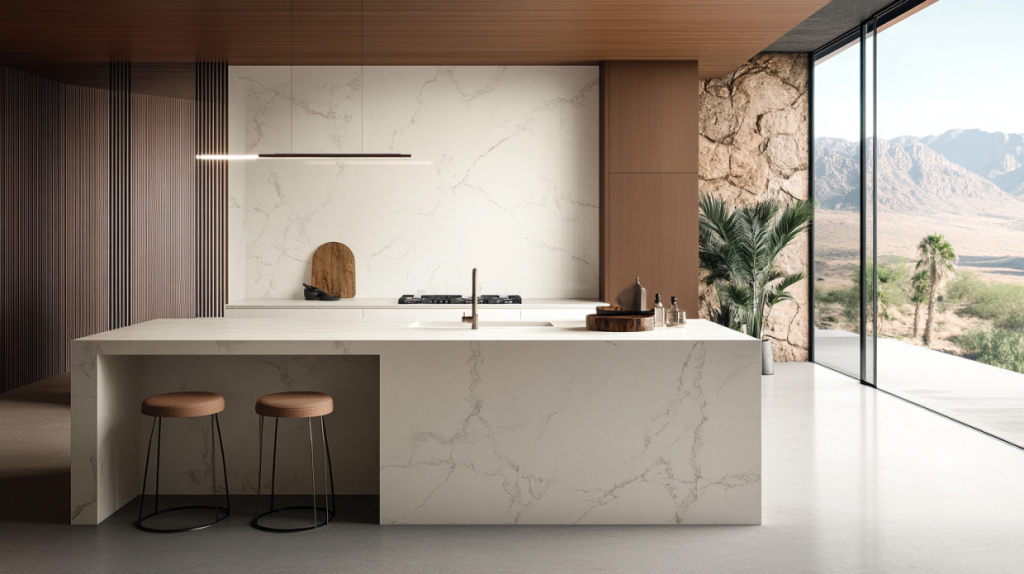



Silestone Cygnus Quartz Kitchen Countertop Sample
- Find Silestone Quartz color Cygnus only at Lowe’s
- Silestone Quartz. The world’s leading quartz surface by Cosentino
- Non-porous, stain and scratch resistant and a 25-year transferable warranty
$12.09
When I first stepped into the world of home renovation, I had no idea just how overwhelming the simple act of choosing a countertop could be. The endless options, materials, colors, and finishes made my head spin faster than my morning smoothie blender. But there was one moment—standing in a showroom under fluorescent lights—when I saw it: Silestone Cygnus. Like finding a perfect constellation in a crowded night sky, something about its elegant white surface with subtle gray veining spoke to me. Three years and countless dinner parties later, I can confidently say that choosing Silestone Cygnus was one of the best decisions I made for my home.
This isn’t just another countertop review—it’s my personal journey with a surface that’s become the heart of my kitchen and bathroom spaces. Whether you’re a fellow renovation enthusiast, a first-time homeowner, or simply curious about what makes this particular engineered stone so special, I’m sharing everything I’ve learned about Silestone Cygnus, from practical considerations to aesthetic impact.
What Exactly Is Silestone Cygnus?
Before falling in love with Cygnus, I barely knew what Silestone was. Simply put, Silestone is a brand of engineered quartz countertops manufactured by Cosentino, a Spanish company that’s been revolutionizing surfaces since the 1990s. Unlike natural stone, Silestone is composed of roughly 90% natural quartz crystals combined with resins and polymers, creating a non-porous, highly durable surface.
Cygnus, named after the swan constellation (a fact I love sharing during dinner parties), belongs to Silestone’s Eternal Collection. When I first encountered it, I was struck by its pristine white background adorned with delicate, flowing gray veining. It immediately reminded me of a cloudy winter sky—serene, bright, but with character. The veining isn’t uniform or predictable; it has an organic quality that mimics the natural variations found in marble, but without marble’s notorious maintenance issues.
What makes Cygnus truly special in the Silestone lineup is its remarkable ability to capture the timeless beauty of classic white marble while offering contemporary performance. It’s elegant without being pretentious, statement-making without screaming for attention.
How Does Cygnus Compare to Other Silestone Colors?
When I began my countertop journey, I spent weeks comparing different Silestone options. The brand offers over 80 colors across various collections, which initially felt overwhelming. I narrowed my search to whites and light neutrals, which still left me with plenty of contenders.
Compared to popular alternatives like Blanco Zeus (a starker, more uniform white) or Lyra (which has warmer, more pronounced veining), Cygnus strikes a beautiful middle ground. It’s brighter than Silestone’s grayer options like Helix or Pearl Jasmine, but not as starkly white as Iconic White.
What ultimately sold me on Cygnus was its versatility. Some whites felt too sterile for my taste, while others had veining that seemed too dominant or specific, potentially limiting my design options. Cygnus has just enough character to be interesting but remains neutral enough to adapt to evolving design trends.
I also considered Calacatta Gold and Eternal Statuario, both gorgeous options with more dramatic veining and warmer undertones. While beautiful, they felt slightly too formal for the relaxed, contemporary vibe I wanted. Cygnus offered that perfect balance—sophisticated enough for entertaining but casual enough for everyday life.
Is Silestone Cygnus the Right Choice for Kitchen Countertops?
After living with my Cygnus kitchen countertops for three years, I can offer a resounding yes—with a few considerations to keep in mind.
The kitchen is undoubtedly the hardest-working room in my home. From morning coffee chaos to elaborate dinner preparations, my countertops endure daily abuse that would make weaker surfaces cringe. Cygnus has proven remarkably resilient through it all.
What I particularly appreciate is how the subtle veining actually works in my favor for everyday use. Unlike with solid white countertops where every crumb and water spot demands immediate attention, Cygnus’s gentle pattern provides just enough visual texture to be forgiving of daily life. I don’t feel compelled to wipe it down every five minutes, which was a surprising benefit I hadn’t anticipated.
The brightness of Cygnus also transformed my kitchen’s lighting situation. My kitchen doesn’t get abundant natural light, and the reflective quality of the countertops significantly brightens the space. Friends consistently comment on how airy and open my kitchen feels, despite its modest dimensions.
One consideration: if you’re looking for a countertop that will hide absolutely everything, Cygnus might not be your best bet. While more forgiving than solid white, it will still show coffee spills, tomato sauce splatters, and other colorful messes until cleaned. For me, this is actually a positive—I’d rather know when my counters need attention than have stains hiding in plain sight.
The Features That Make Silestone Cygnus Special
Beyond its striking appearance, Cygnus comes packed with practical features that have made my life easier. When I was researching countertop options, these were the key selling points that ultimately convinced me:
Non-porous surface: Unlike natural stone options, Silestone Cygnus doesn’t allow liquids to penetrate its surface. This has proven invaluable countless times—from red wine spills during dinner parties to my experiment with beet juice that would have permanently stained many other surfaces.
Scratch resistance: With a hardness rating of 7 on the Mohs scale (diamonds are a 10), Cygnus has withstood three years of chopping, sliding cookware, and the occasional dropped utensil without showing significant wear. I still use cutting boards out of habit, but it’s reassuring to know the surface is forgiving of accidents.
Stain resistance: This might be my favorite feature. I’ve subjected my countertops to everything from turmeric to red wine to coffee, and with prompt cleaning, nothing has left a permanent mark. As someone who loves cooking with vibrant ingredients, this feature alone has been worth the investment.
Bacterial resistance: Silestone incorporates Microban technology, which inhibits the growth of bacteria, mold, and mildew. As someone who values a clean kitchen, I appreciate this added layer of protection, especially when handling raw ingredients.
Consistency: Unlike natural stone where each slab can vary dramatically, the engineered nature of Silestone means Cygnus maintains reliable consistency. This made installation much less stressful, as I didn’t have to worry about dramatic pattern changes between slabs.
Dimensional stability: Cygnus doesn’t expand or contract significantly with temperature changes, which has prevented the cracking issues some of my friends have experienced with other materials.
The Investment: Silestone Cygnus Pricing
Let’s talk about the elephant in the room—cost. When I was planning my renovation, the price of Cygnus initially gave me pause. Depending on your location, supplier, and specific requirements, you can expect to pay approximately $70-$100 per square foot for Silestone Cygnus, including basic fabrication and installation.
This positions it in the mid-to-high range for engineered quartz, typically higher than basic Silestone colors but less expensive than some of the more elaborate marble-look options in their premium collections. For my kitchen, which required approximately 45 square feet of countertop, the total investment was substantial.
Was it worth it? Absolutely. Here’s how I justified the cost:
- Longevity: Three years in, my countertops look virtually identical to the day they were installed. Unlike cheaper alternatives that might need replacement in 5-10 years, Silestone comes with a 25-year warranty and can realistically last the lifetime of your kitchen.
- Added home value: When my neighbor had her home appraised, the real estate agent specifically mentioned her high-quality quartz countertops as a selling feature. Quality countertops are increasingly seen as an expected feature in modern homes.
- Daily enjoyment: I use these countertops multiple times daily. The joy of preparing meals on a beautiful, functional surface has genuinely enhanced my everyday experience at home.
- Reduced maintenance costs: Unlike natural stone that requires regular sealing and specialized care, the minimal maintenance requirements of Cygnus have saved me time and money.
If you’re working with a tighter budget, consider using Cygnus as an accent rather than throughout the entire kitchen. My friend installed it only on her island while using a complementary, less expensive quartz for the perimeter counters, creating a stunning focal point without the full-kitchen price tag.
Where to Buy Silestone Cygnus Countertops
Finding the right supplier for Cygnus required more research than I initially expected. Unlike some mass-market materials available at every home improvement store, Silestone is typically sold through authorized dealers and kitchen and bath showrooms.
I started my search online, using Cosentino’s official dealer locator on their website to find authorized suppliers in my area. This yielded several options, but prices and service levels varied significantly.
My recommendation? Visit multiple showrooms in person. Seeing full slabs rather than small samples made a tremendous difference in my understanding of how the material would look in my space. Additionally, I found that building relationships with showroom staff led to more transparent pricing discussions and better service.
I ultimately purchased from a local stone fabricator who was an authorized Silestone dealer. They offered the most competitive pricing and, crucially, had extensive experience working specifically with Silestone products. Their familiarity with the material’s properties ensured proper handling, cutting, and installation.
Another option worth exploring is kitchen design studios that offer complete renovation services. While potentially more expensive than working directly with a fabricator, they can manage the entire process from design to installation, which may be worth the premium if you’re undertaking a complete kitchen renovation.
Finish Options for Silestone Cygnus
Silestone offers several finish options, and choosing the right one for Cygnus significantly impacts both its appearance and functionality. I deliberated extensively between these options:
Polished finish: This is the classic, high-gloss option that I ultimately chose for my kitchen. It gives Cygnus a brilliant shine that enhances its brightness and makes the veining pattern more pronounced. The reflective quality helps bounce light around my kitchen, making the space feel larger and more open. It also offers the highest level of stain resistance among the finish options.
Suede finish (also called Soft): This offers a silky, matte appearance with less reflection. I was initially drawn to this option for its contemporary feel and the way it reduces the visibility of fingerprints and water spots. However, I found it slightly less effective at showcasing the delicate veining that makes Cygnus special.
Volcano texture: This provides a slightly rougher, textured feel that’s inspired by leather. While interesting for some applications, I felt it diminished the marble-like quality that initially attracted me to Cygnus.
After seeing full slabs of each finish, the polished option was the clear winner for my kitchen. However, I opted for the Suede finish for my bathroom vanity, where the softer look complements the spa-like atmosphere I wanted to create.
If possible, view large samples of each finish option under different lighting conditions before making your decision. The way Cygnus interacts with light varies dramatically between finishes, and what looks perfect in showroom lighting might present differently in your home.
Silestone Cygnus in the Bathroom
While my kitchen was my primary focus, I also installed Silestone Cygnus in my master bathroom, and it’s performed beautifully in this environment as well.
The bathroom presents unique challenges for countertop materials—constant moisture, potential chemical exposure from beauty products, and temperature fluctuations from hot styling tools. Cygnus has handled these challenges admirably. The non-porous surface prevents water absorption, eliminating concerns about mold or mildew growth that can plague natural stone in humid environments.
I particularly appreciate how the subtle veining of Cygnus complements the clean, spa-like aesthetic I wanted for my bathroom. Paired with brushed nickel fixtures and soft gray wall tiles, it creates a serene, cohesive look.
One unexpected benefit in the bathroom has been how Cygnus resists showing water spots and toothpaste spatter. While not completely invisible, these everyday messes are far less noticeable than they would be on a solid color surface, buying me a little grace period between cleanings.
If you’re considering Cygnus for a bathroom vanity, I’d suggest considering the Suede finish, which I chose for this application. It offers a softer look that complements the relaxing bathroom environment while also showing fewer water marks than the polished finish.
Living with Silestone Cygnus: Durability and Maintenance
After three years of daily use, I can confidently address the practical concerns that might be on your mind if you’re considering this countertop.
Scratch resistance: Cygnus has proven remarkably resistant to scratching. Despite occasionally forgetting to use a cutting board or dragging heavy cookware across the surface, my countertops remain virtually unmarked. That said, I still use cutting boards as a matter of habit—no material is truly indestructible.
Cleaning and maintenance: This might be where Cygnus truly shines. My daily cleaning routine couldn’t be simpler—warm water and a mild dish soap handle 95% of messes. For more stubborn situations, a non-abrasive cleaner specifically formulated for quartz surfaces does the trick. Unlike natural stone, there’s no need for special sealants or periodic treatments.
Stain resistance: Silestone’s non-porous nature makes it highly resistant to staining. I’ve accidentally left coffee, red wine, and even turmeric spills unattended (we’ve all had those chaotic cooking moments), and they’ve wiped away without incident. The key is reasonably prompt cleaning—I wouldn’t recommend letting strongly colored substances sit overnight.
Heat resistance: While Cygnus can withstand moderate heat exposure, I don’t recommend placing hot pots and pans directly on the surface. I learned this lesson when a hot cast iron skillet left a faint mark that eventually disappeared but gave me quite a scare. I now use trivets consistently, which is good practice for any countertop material.
Long-term appearance: Perhaps most impressively, my countertops look nearly identical to the day they were installed. There’s no fading, discoloration, or worn areas, even in high-traffic zones like the area around my sink and the preparation space next to my stove.
Color Schemes That Complement Silestone Cygnus
One of Cygnus’s greatest strengths is its versatility in different design schemes. Its neutral white base with gray veining creates a chameleon-like ability to adapt to various color palettes. Here are some combinations that I’ve found particularly successful:
Navy and brass: In my own kitchen, I paired Cygnus with navy blue cabinets and brass hardware. The contrast between the deep blue and crisp white creates a striking, timeless look that feels both classic and contemporary.
Warm woods: The cool tones in Cygnus balance beautifully with warm wood elements. My kitchen island features oak panels that bring organic warmth to balance the countertop’s more pristine appearance.
Greens and earthy tones: A friend installed Cygnus with sage green cabinetry, creating a fresh, nature-inspired palette that feels simultaneously trendy and timeless.
Monochromatic schemes: The subtle veining in Cygnus adds just enough visual interest to prevent all-white or gray-and-white kitchens from feeling flat or sterile.
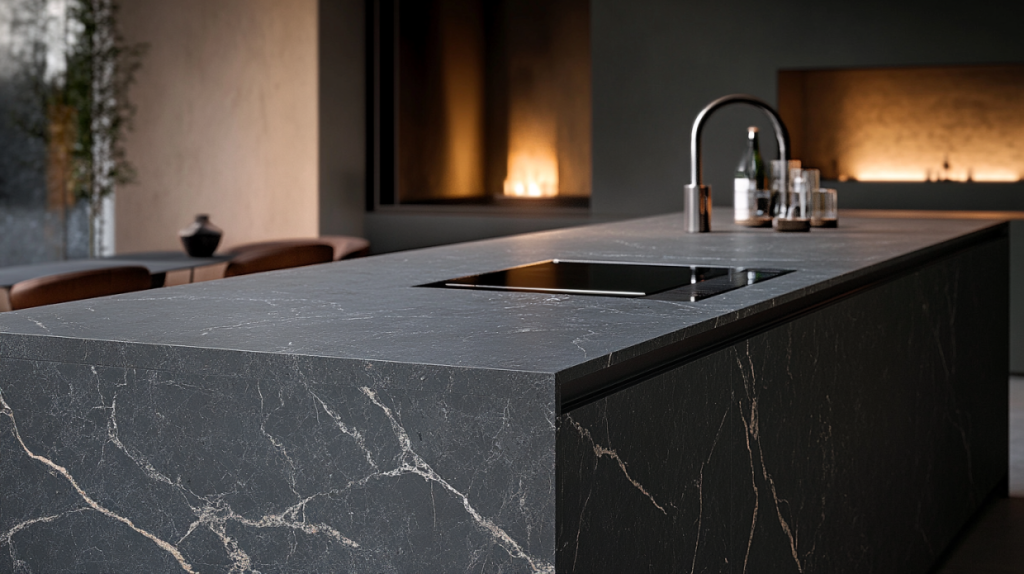
Black accents: For a high-contrast look, black fixtures, lighting, or accessories pop dramatically against Cygnus, creating a sophisticated, editorial-worthy space.
What I’ve come to appreciate is how Cygnus provides a neutral foundation that allows other design elements to shine while still contributing character of its own. It’s neither so plain that it disappears nor so dominant that it limits your other design choices.
Silestone Cygnus vs. Natural Stone: The Honest Comparison
Before choosing Cygnus, I seriously considered both granite and marble. Here’s my honest assessment of how it compares:
Cygnus vs. Marble: The most obvious comparison is with white marble varieties like Carrara or Calacatta. Cygnus successfully captures marble’s timeless aesthetic with its subtle veining but eliminates marble’s significant maintenance challenges. Marble is porous, requiring regular sealing, and notoriously susceptible to etching from acidic substances like lemon juice or vinegar. After seeing a friend’s beautiful marble countertops develop permanent marks within months of installation, I knew I wanted marble’s look without its vulnerabilities. Cygnus delivers exactly that.
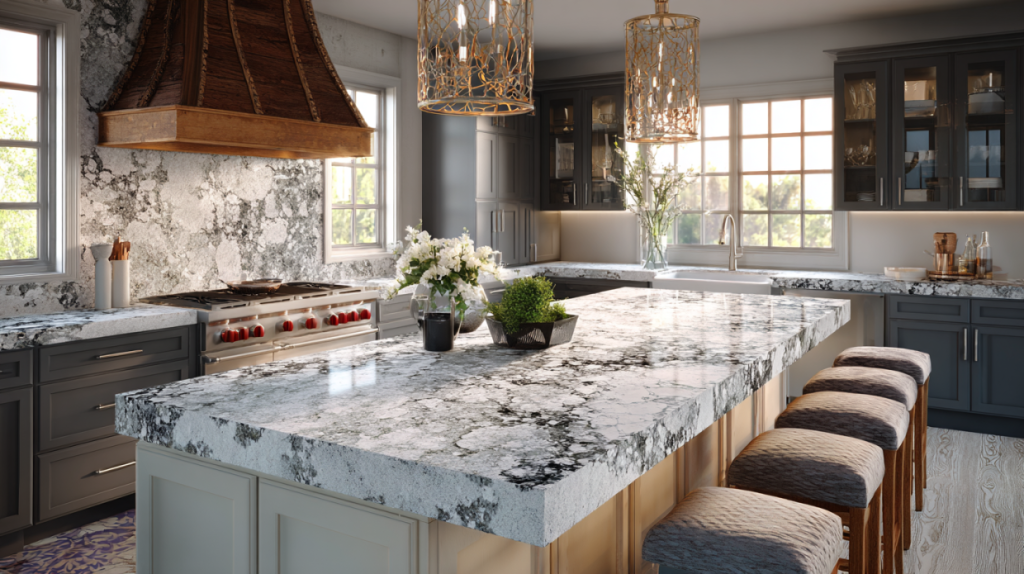
Cygnus vs. Granite: Compared to granite, Cygnus offers more consistent patterning and color. While some people prefer the natural variations in granite, I appreciated knowing exactly what my countertops would look like across the entire installation. Granite requires periodic sealing (though less frequently than marble) and typically offers fewer options in the white/light color range that I wanted. While some high-end white granites are available, they often come with premium price tags comparable to or exceeding Cygnus.
Cygnus vs. Other Engineered Stones: I also compared Cygnus to other quartz brands. While there are similar options available from manufacturers like Caesarstone and Cambria, I found Silestone’s combination of appearance, warranty, and reputation for quality most compelling. The Microban antimicrobial protection was also a differentiating feature that influenced my decision.
Using Silestone Cygnus Beyond Countertops
While countertops were my primary application, Silestone Cygnus’s versatility extends to other applications:
Backsplashes: Using Cygnus for both countertops and backsplash creates a seamless, elegant look that maximizes visual space—particularly effective in smaller kitchens. I chose this approach in my guest bathroom, and the continuous surface creates a luxurious, cohesive appearance.
Shower walls: Though I haven’t used it this way myself, I’ve seen stunning installations where Cygnus is used for shower surrounds. The non-porous nature makes it practical for wet environments, and large-format panels eliminate the grout lines that can be maintenance headaches in traditional tile showers.
Fireplace surrounds: The elegant appearance of Cygnus makes it an excellent choice for fireplace surrounds. A friend used leftover material from her kitchen renovation this way, creating a striking focal point in her living room.
Wall cladding: For truly luxurious installations, Cygnus can be used as decorative wall panels, creating a sophisticated, high-end look similar to book-matched marble but with superior durability.
Furniture pieces: Custom tables, desks, or shelving made with Cygnus offer the same durability benefits as countertops while extending your design aesthetic throughout your home.
Environmental Considerations of Silestone Cygnus
Environmental impact was an important factor in my decision-making process. Cosentino, Silestone’s manufacturer, has made significant strides in sustainability:
Silestone’s production process uses recycled water and materials where possible. The company has invested in technologies that reduce emissions and energy consumption during manufacturing.
The durability of the product itself is an environmental benefit—a countertop that lasts decades eliminates the resource consumption and waste associated with frequent replacements.
Cosentino has also introduced HybriQ+ technology, a new formulation that reduces the crystalline silica content while incorporating recycled materials. However, it’s worth noting that not all Silestone colors are currently available in this formulation, so you’ll want to check if this is a priority for you.
While not a completely “natural” product like stone, Silestone’s engineered nature allows for more efficient use of raw materials and potentially less environmental impact from quarrying. That said, the manufacturing process does involve industrial production and chemical components, so it’s not without environmental considerations.
The Question of Sealing: One Less Worry with Cygnus
One of the most significant advantages of choosing Silestone Cygnus over natural stone options is the elimination of sealing requirements. This was a major selling point for me as someone who values low-maintenance materials.
Unlike granite or marble, which require regular reapplication of sealants to prevent staining and damage, Silestone Cygnus never needs to be sealed. Its non-porous composition provides inherent protection against liquid absorption.
This not only saves time and recurring costs but also eliminates the need to remember this maintenance task and the anxiety of wondering if your countertops are adequately protected. Three years in, I’ve never had to think about sealing, and my countertops continue to resist stains perfectly.
Pros and Cons: My Honest Assessment of Silestone Cygnus
After living with Cygnus in both my kitchen and bathroom, here’s my candid breakdown of its strengths and limitations:
Pros:
- Exceptional durability with minimal signs of wear after years of use
- Beautiful, marble-like appearance without marble’s maintenance challenges
- Excellent stain, scratch, and impact resistance
- No sealing required, ever
- Consistent appearance across slabs
- Versatile design that complements various styles and color schemes
- Antimicrobial protection for peace of mind
- 25-year manufacturer warranty
- Increases home value
Cons:
- Higher price point than some alternative countertop materials
- Can be damaged by extreme heat (though this is true of most countertop options)
- Not as heat-resistant as granite
- Limited repairability if serious damage does occur
- Less “unique” than natural stone, which some buyers specifically want
- Requires professional installation, adding to overall cost
- Shows some fingerprints and water marks (though less than solid colors)
On balance, the pros have significantly outweighed the cons in my experience. The primary consideration for most people will likely be the investment required, but when amortized over the decades of service Cygnus provides, I’ve found it to be money well spent.
What Other Cygnus Owners Are Saying
Beyond my personal experience, I’ve connected with other Cygnus owners through home renovation forums and social media groups. The consensus largely aligns with my own experience:
Most owners report high satisfaction with durability and appearance. “I’ve had my Cygnus countertops for five years, and they look identical to the day they were installed,” shared one homeowner in my online renovation group.
The most common complaint involves heat damage from placing hot items directly on the surface—a reminder that even the most durable materials have limitations and require basic care.
Several owners specifically mentioned their satisfaction with how Cygnus ages compared to marble. One memorable comment came from a designer who had installed both materials in different projects: “My clients with Cygnus are still happy years later, while those who insisted on marble have called me about etching and staining issues within months.”
Restaurant owners and others with high-traffic commercial installations particularly praise Cygnus’s durability and stain resistance, suggesting it can withstand even more intense use than typical residential applications.
Can Silestone Cygnus Be Used Outdoors?
While I haven’t personally tested Cygnus in outdoor applications, this is a common question. The official Silestone position is that their products, including Cygnus, are designed primarily for interior use.
The concerns with outdoor installation relate primarily to potential color fading from UV exposure and the possibility of thermal shock in extreme temperature fluctuations. While the material itself is durable, these environmental factors can potentially affect its appearance and integrity over time.
That said, I’ve seen Cygnus used in covered outdoor kitchens with appropriate precautions. If you’re considering this application, I’d recommend:
- Ensuring the installation is protected from direct sunlight
- Providing adequate coverage from precipitation
- Consulting with both your Silestone dealer and installer about specific concerns for your climate
- Considering alternative outdoor-specific materials like Dekton (another Cosentino product specifically designed for outdoor use)
Final Thoughts: Is Silestone Cygnus Right for You?
After three years living with Silestone Cygnus countertops, would I choose them again? Without hesitation, yes. They’ve delivered on their promises of beauty, durability, and low maintenance, becoming a foundational element in my home that I appreciate daily.
Silestone Cygnus might be perfect for you if:
- You love the look of marble but not its maintenance requirements
- You cook frequently and need a durable, stain-resistant surface
- You value materials that require minimal upkeep
- You’re designing a space with longevity in mind
- You’re willing to invest in quality materials that will last decades
- You want a versatile neutral that works with various design styles
You might want to consider alternatives if:
- You’re working with a very limited budget
- You specifically want the uniqueness and natural variations of stone
- You frequently place hot cookware directly on your countertops
- You’re looking for something highly unusual or distinctive
- You’re specifically seeking the most eco-friendly option available
My journey with Silestone Cygnus has reinforced something I’ve learned through multiple renovation projects: quality surfaces are worth the investment. We interact with our countertops countless times daily, and their performance affects everything from our cleaning routines to our enjoyment of cooking to the overall atmosphere of our homes.
Whether Cygnus is right for your space depends on your specific priorities, aesthetic preferences, and budget. But if you’re seeking a beautiful, durable surface that bridges classic and contemporary design while minimizing maintenance headaches, it deserves a place on your shortlist. For me, it’s been a stellar choice that continues to shine, day after day.