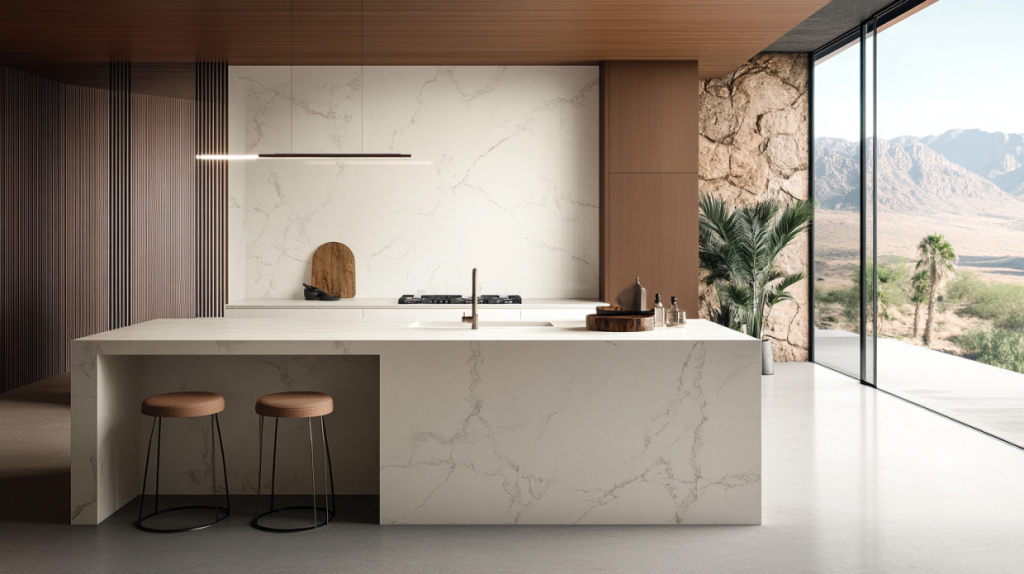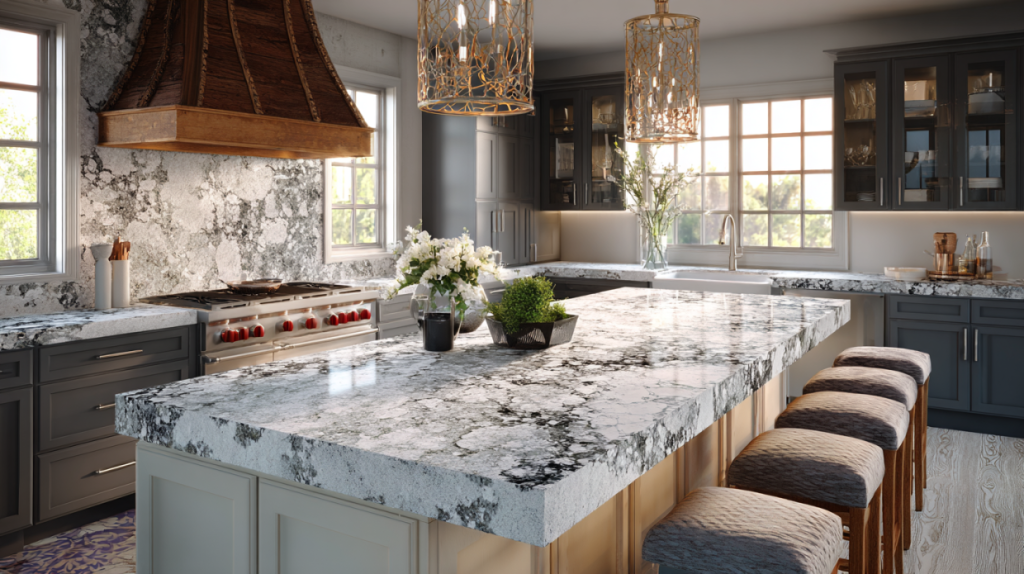


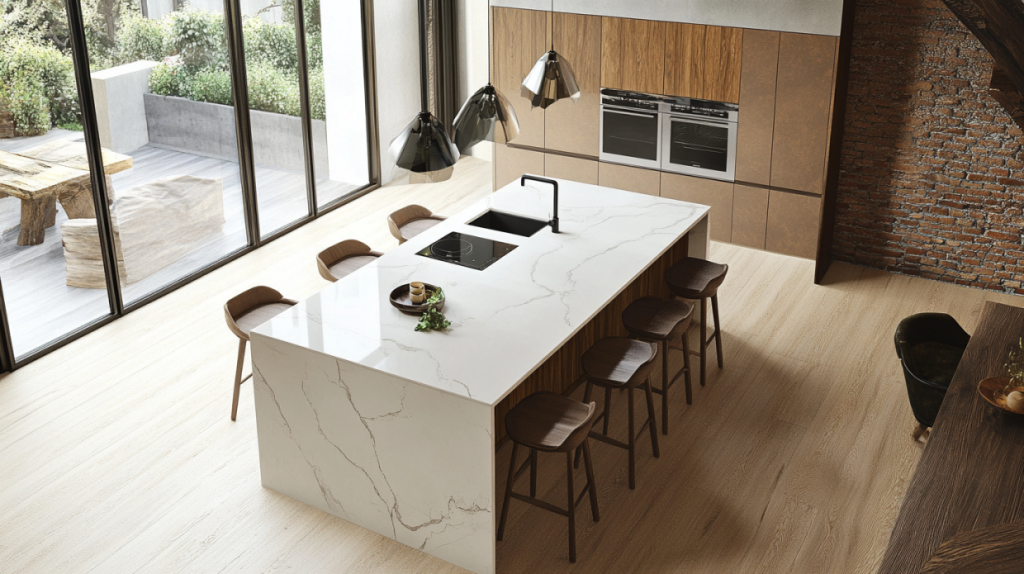

Silestone Nolita/Suede Quartz White Kitchen Countertop SAMPLE ( 4-in x 6-in )
- Light grey concrete-like color adorned by subtle white swirling
- Adds an industrial and rustic feel to any space
- Silestone offers maintenance free premium performance
$10.00
I still remember the day I walked into that sleek downtown showroom, overwhelmed by endless countertop options and completely unsure which direction to take for my kitchen renovation. Little did I know that afternoon would mark the beginning of my obsession with what I now consider the perfect surface solution. After three years of living with my choice, I’m finally sitting down to share everything I’ve learned about Silestone Nolita Suede—the most versatile and sophisticated countertop material I’ve ever encountered.
This isn’t just another generic buying guide. This is my personal testimony after countless dinner parties, baking marathons, wine spills, and daily life lived on this remarkable surface. So grab a cup of coffee, settle in, and let me walk you through everything you need to know about Silestone Nolita Suede—from what makes it special to how it might transform your space just like it did mine.
What Exactly Is Silestone Nolita Suede?
Before I fell head over heels for this surface, I had to understand what I was actually looking at. Silestone is a brand of engineered quartz surfaces manufactured by Cosentino, a global leader in innovative surfaces. But Silestone Nolita specifically? It’s a sophisticated color option that falls within their neutral palette—a soft, muted greige with subtle veining that manages to be both contemporary and timeless simultaneously.
The “Suede” part refers to the finish, and this is where things get interesting. Unlike the traditional polished quartz surfaces that dominated the market for years, Suede offers a matte, velvety texture that completely transforms how the material looks and feels. When I first ran my hand across a Nolita Suede sample, I was struck by how different it felt from the cold, glossy countertops I was accustomed to. There was something immediately inviting about it.
Technically speaking, Silestone is composed of approximately 90% natural quartz crystals combined with resins, polymers, and pigments. This composition gives it exceptional durability while allowing for the beautiful, consistent coloration that makes Nolita so distinctive. The manufacturing process involves sophisticated engineering that combines aesthetics with practicality in a way that few materials can match.
The Distinctive Charm of the Suede Finish
Let’s talk about what makes the Suede finish different from other Silestone options, because this distinction is crucial to understanding why I ultimately chose it for my home. Silestone typically comes in three finishes: Polished (high-gloss), Volcano (textured), and Suede (matte). Each creates a completely different aesthetic and functional experience.
The Polished finish is what most people think of when they imagine quartz countertops—shiny, reflective, and somewhat formal. The Volcano finish offers a more rustic, textured appearance. But Suede strikes the perfect balance between sophisticated elegance and practical livability, which is why it’s becoming increasingly popular among designers and homeowners alike.
The Suede finish appears softer to the eye, with less glare and reflection than its polished counterpart. This visual softness translates to a warmer appearance that makes spaces feel more welcoming. When sunlight streams through my kitchen windows in the morning, my Nolita Suede countertops don’t create harsh reflections—instead, they gently diffuse the light, creating a peaceful ambiance that sets the tone for the day.
Beyond aesthetics, the Suede finish actually feels different under your hands. There’s a subtle tactile quality that’s difficult to describe until you’ve experienced it—not rough by any means, but with just enough texture to create a pleasant sensation when you touch it. It’s like the difference between a glossy magazine page and a fine piece of matte paper.
The Technical Marvel: Features That Sold Me on Nolita Suede
When I was researching countertop options, I quickly realized that beautiful surfaces are a dime a dozen—but beautiful surfaces that can handle real life? Those are much harder to find. Here’s where Silestone Nolita Suede truly shines with features that have proven invaluable in daily use.
First and foremost is its remarkable durability. Silestone ranks a 7 on the Mohs hardness scale, which puts it just below diamonds and makes it significantly more scratch-resistant than natural stone options like marble. After three years of daily use, including plenty of chopping and food prep (though I still use cutting boards), my countertops show virtually no signs of wear—no small feat in a busy kitchen.
Stain resistance was another major selling point for me. The non-porous nature of Silestone means that liquids can’t penetrate the surface, making it highly resistant to staining. I’ve had everything from red wine to turmeric to coffee spilled on these countertops, and with prompt cleaning, not a single substance has left a permanent mark. For someone who loves to cook and entertain, this feature alone has been worth the investment.
Heat resistance is another advantage, though I still use trivets for very hot pots and pans. Silestone can withstand moderate heat exposure without damage, which provides peace of mind during hectic cooking sessions when I might not be as careful as I should be.
The bacterial resistance of Silestone Nolita Suede is particularly impressive. The material incorporates Microban® technology, an antimicrobial treatment that helps prevent the growth of bacteria, mold, and mildew on the surface. In an era when we’re all more conscious of hygiene than ever before, this feature feels especially valuable.
The Practical Reality: Living with Nolita Suede Day to Day
Theory and marketing claims are one thing; lived experience is another entirely. After more than 1,000 days with Nolita Suede as the centerpiece of my kitchen, I can speak frankly about what it’s really like to live with this surface.
The most noticeable daily benefit has been the fingerprint and smudge resistance. Unlike polished surfaces that show every touch and require constant wiping, the Suede finish naturally camouflages fingerprints and water marks. This means less obsessive cleaning and more enjoying my kitchen. On busy weeknights when I’m preparing dinner while helping with homework, the last thing I want to worry about is wiping down countertops every five minutes.
The matte surface also shows fewer water spots and streaks. After washing dishes or wiping down the countertop, I don’t have to meticulously dry every inch to avoid unsightly streaks—a small convenience that adds up to significant time saved over the years.
Another practical advantage I’ve noticed is that the Suede finish shows fewer scratches than polished surfaces. While the material itself is highly scratch-resistant, any surface can show wear over time. The matte texture of the Suede finish helps to camouflage minor imperfections that might be glaringly obvious on a high-gloss surface.
The cleaning routine has been refreshingly simple. For daily maintenance, plain water and a soft cloth are usually sufficient. For deeper cleaning, a mild soap solution does the trick. I’ve never needed harsh chemicals or special cleaners, which aligns with my preference for a low-toxicity home environment.
The Investment: Understanding the Cost of Nolita Suede
Let’s talk money, because any major home improvement decision ultimately comes down to budget considerations. Silestone Nolita Suede represents a premium investment, with prices typically ranging from $70 to $95 per square foot installed. This places it in the mid-to-high range for countertop materials, comparable to high-end granite and significantly more expensive than laminate options.
In my case, outfitting my modestly sized kitchen (approximately 40 square feet of countertop space) represented an investment of about $3,400, including installation. This was definitely not the budget option, but after comparing long-term value and performance, I determined it was worth the splurge.
What factors influence the final price? Several variables can affect what you’ll pay:
- Geographic location (prices vary regionally)
- Complexity of installation (unusual shapes or cutouts add cost)
- Edge treatment selection (more elaborate edge profiles cost more)
- The contractor or fabricator you choose
- Additional features like integrated sinks or backsplashes
One important note about cost: while the initial investment is substantial, the longevity and low maintenance requirements of Silestone Nolita Suede mean that the lifetime cost may actually be lower than more affordable options that require frequent replacement or restoration. Silestone comes with a 25-year warranty, which provided significant peace of mind when making such a substantial investment.
Finding and Selecting Your Perfect Slabs
Once I decided on Silestone Nolita Suede, the next challenge was finding a reputable supplier and navigating the selection process. Unlike natural stone where you select specific slabs, engineered quartz offers consistency from batch to batch, which simplifies the process somewhat.
I found that Silestone is available through a network of authorized dealers and home improvement centers. In major metropolitan areas, you’ll likely have multiple options, including dedicated stone showrooms, kitchen and bath specialty stores, and some higher-end home improvement chains. I personally visited three different showrooms before making my final decision, which I recommend doing if possible.
When viewing samples, I learned that the small handheld samples don’t always give you the full picture of how the material will look installed across a large surface. Whenever possible, ask to see larger samples or installed examples. Many showrooms have kitchen vignettes that can help you better visualize the finished result.
Working with a knowledgeable dealer made a significant difference in my experience. My dealer helped me understand the fabrication process, installation timeline, and maintenance requirements. They also coordinated with my contractor to ensure precise measurements and a smooth installation process.
The selection process typically follows these steps:
- Visit showrooms and select your material
- Get measurements and a detailed quote
- Place your order and put down a deposit
- Schedule a template visit where exact measurements are taken
- Wait for fabrication (typically 1-2 weeks)
- Installation day (usually takes 4-6 hours)
From start to finish, the process took about three weeks for my kitchen, though timelines can vary depending on the complexity of your project and the fabricator’s schedule.
Design Versatility: Why Nolita Suede Works in So Many Settings
One of the aspects I’ve come to appreciate most about my choice is the remarkable design versatility of Nolita Suede. Its neutral greige coloration serves as a chameleon-like backdrop that adapts to changing design trends without ever feeling dated.
In my own home, I’ve actually redecorated around my countertops twice in three years, shifting from a more traditional aesthetic to a cleaner, more contemporary look. Through both iterations, the Nolita Suede has remained the constant element that anchors the space while allowing other design elements to evolve.
The color palette that works with Nolita Suede is impressively broad. I’ve found it pairs beautifully with:
- Navy blue cabinetry for a classic, sophisticated look
- White cabinetry for a clean, timeless aesthetic
- Natural wood tones for warmth and texture
- Black accents for dramatic contrast
- Brass or gold fixtures for a touch of luxury
- Stainless steel appliances for a contemporary feel
The Suede finish works particularly well in both modern and transitional design schemes. In contemporary spaces, it provides subtle texture that prevents the design from feeling cold or sterile. In more traditional settings, it adds a modern touch without clashing with classic elements.
I’ve found that Nolita Suede’s greatest design strength is its ability to bridge different styles, making it ideal for homes where you’re trying to honor traditional architecture while incorporating more contemporary furnishings. It’s this versatility that has made me recommend it to friends with vastly different aesthetic preferences.
Beyond the Kitchen: Other Applications for Nolita Suede
While my primary experience with Silestone Nolita Suede has been in the kitchen, I’ve since incorporated it into other areas of my home with equally satisfying results. This versatility is worth considering when evaluating the overall value proposition.
In my guest bathroom renovation last year, I opted for Nolita Suede for the vanity countertop. The material has performed beautifully in this humid environment, showing no signs of water damage or staining despite frequent use. The matte finish also provides a subtle slip resistance that feels more secure than polished surfaces when hands are wet.
I’ve seen stunning applications of Nolita Suede as:
- Bathroom shower surrounds (large format panels create a luxurious, seamless look)
- Fireplace surrounds (the heat resistance makes it practical while the aesthetic adds sophistication)
- Built-in desk surfaces (the durable, easy-to-clean nature is perfect for home offices)
- Wall cladding for feature walls (creating a subtle textural element)
- Window sills (particularly in bathrooms where moisture resistance is valuable)
One particularly innovative use I’ve admired was in a friend’s recent renovation where they used Nolita Suede for open shelving in their dining area. The matte finish provided a beautiful backdrop for displaying their collection of ceramics, and the durability meant they didn’t have to worry about damage from frequently moved items.
Comparisons: How Nolita Suede Stacks Up Against Alternatives
Before committing to Silestone Nolita Suede, I extensively researched alternatives. Understanding how it compares to other popular options might help you determine if it’s the right choice for your project.
Compared to natural marble, Nolita Suede offers significantly better stain and etching resistance. While nothing quite replicates the unique veining and depth of natural marble, the maintenance requirements of marble are substantial—requiring regular sealing and immediate cleanup of acidic substances to prevent etching. After witnessing a friend’s heartbreak when lemon juice permanently damaged her marble countertops, I was grateful for the peace of mind Silestone provides.
Granite, another popular natural stone option, offers excellent heat resistance and durability but requires periodic sealing to maintain its stain resistance. The consistent patterning of Nolita Suede provides a more controlled aesthetic than the natural variation of granite, which can be either a pro or con depending on your design preferences.
Concrete countertops have become trendy for their industrial aesthetic, but they require significantly more maintenance than Silestone, including regular sealing and waxing. They’re also more prone to cracking over time. The Nolita Suede finish actually captures some of the visual appeal of concrete with none of the maintenance drawbacks.
Solid surface materials like Corian cost less than Silestone but offer lower heat resistance and are more susceptible to scratching. While repairs are possible with solid surface materials, I preferred the inherent durability of quartz that minimizes the need for repairs in the first place.
Other quartz brands like Caesarstone and Cambria offer similar performance characteristics to Silestone. In my comparisons, the decision ultimately came down to color and finish preferences, as well as price points and warranty terms. The Silestone Suede finish was particularly distinctive compared to competitors, which helped finalize my decision.
Environmental Considerations: The Sustainability Factor
As someone who tries to make environmentally conscious choices, the sustainability profile of Silestone Nolita Suede was an important consideration in my decision-making process. Here’s what I found through my research:
Silestone by Cosentino has made significant strides in improving the sustainability of their products. Their newer HybriQ+ technology, which may be used in some Nolita Suede products depending on when they were manufactured, uses a minimum of 20% recycled materials in its composition and has shifted to renewable electric energy and 98% recycled water in the production process.
The durability and longevity of Silestone also contribute to its sustainability profile. A countertop that lasts for decades without needing replacement has a lower environmental impact than materials that require frequent replacement.
Cosentino has achieved certifications including Greenguard and Greenguard Gold, indicating low chemical emissions that contribute to healthier indoor air quality. For those concerned about VOCs (volatile organic compounds) in their home, these certifications provide valuable peace of mind.
It’s worth noting that quartz countertops in general, including Silestone, are not the most eco-friendly option available—materials like reclaimed wood or recycled glass might have stronger environmental credentials. However, within the category of engineered stone, Silestone has demonstrated a commitment to improving their environmental footprint.
Real Talk: The Drawbacks of Nolita Suede
In the interest of complete honesty, I should acknowledge that no material is perfect, and Silestone Nolita Suede does have some limitations that are worth considering before you commit.
The most significant drawback is the price point. As mentioned earlier, this is a premium material with a cost to match. If you’re working with a tight budget, there are certainly more affordable options available. For me, the value equation made sense given the performance benefits and aesthetic appeal, but it’s a personal calculation everyone needs to make for themselves.
While the heat resistance is good, it’s not unlimited. I’ve learned to always use trivets for hot pots and pans, as direct heat from cookware can potentially cause damage. This isn’t unique to Silestone—virtually all countertop materials have some heat limitations—but it’s important to be aware of this to prevent costly mistakes.
The matte Suede finish, while beautiful, can occasionally show oil marks more visibly than polished surfaces. I’ve found that these clean up easily with soap and water, but if you’re cooking with lots of oils and prefer a completely maintenance-free surface, this is something to consider.
One final consideration is that repairs, if ever needed, are more difficult with quartz than with some other materials. Unlike solid surface countertops that can be sanded and refinished, damage to Silestone typically requires professional intervention. Fortunately, the material’s durability means repairs are rarely necessary, but it’s something to be aware of.
The Verdict from Real Users: Customer Experiences with Nolita Suede
Beyond my personal experience, I wanted to understand how Silestone Nolita Suede has performed for others. I’ve spent time in online renovation forums, social media groups, and speaking with friends who have chosen this material for their homes. The consensus has been overwhelmingly positive, with a few consistent themes emerging:
Most users report exceptional satisfaction with the stain resistance, particularly those who have had natural stone countertops in the past and experienced staining issues. The ability to clean up coffee, wine, and cooking ingredients without stress appears to be a major factor in customer satisfaction.
The aesthetic versatility receives frequent praise, with many homeowners appreciating how the subtle coloration of Nolita works with changing decor and doesn’t lock them into a specific design direction. Several people mentioned that their countertops still look fresh and current despite having been installed several years ago.
Maintenance simplicity is another commonly cited benefit. Users appreciate the lack of sealing requirements and the straightforward cleaning routine. For busy households, this low-maintenance profile seems to be particularly valuable.
The few complaints I’ve encountered typically center around cost or isolated cases of manufacturing inconsistency. A small number of users reported receiving slabs that didn’t perfectly match their samples, highlighting the importance of working with reputable dealers and fabricators.
Making It Your Own: Personalizing Your Nolita Suede Installation
One aspect of Silestone that I particularly appreciate is the ability to customize the installation to suit your specific aesthetic preferences and functional needs. Through conversations with my designer and fabricator, I discovered several ways to make the material truly my own.
Edge profiles offer perhaps the most visible opportunity for customization. While I opted for a simple eased edge for its clean, contemporary look, Silestone can be fabricated with numerous edge treatments ranging from bullnose to beveled to more decorative options. The edge profile you select can significantly impact the overall appearance of your countertops, either emphasizing or downplaying the material’s presence in your space.
Thickness is another variable to consider. Standard installations typically use 2cm or 3cm material, with the thicker option providing a more substantial appearance. For my kitchen, I chose 3cm for the perimeter countertops but opted for a mitered edge treatment that made the island appear even thicker (approximately 6cm at the edge), creating a focal point in the room.
Integrated features can add both beauty and functionality to your installation. Options include:
- Integrated sinks for a seamless look in kitchens or bathrooms
- Drainboards grooved directly into the surface
- Waterfall edges where the material continues down the side of an island or peninsula
- Matching backsplashes for a cohesive appearance
Working closely with your fabricator is key to achieving these custom details. I found that bringing inspiration photos to my initial consultation helped communicate my vision effectively and allowed the fabricator to suggest appropriate techniques to achieve the look I wanted.
Installation Day: What to Expect When Your Nolita Suede Arrives
After weeks of anticipation, the day your countertops are installed is both exciting and nerve-wracking. Based on my experience, here’s what you can expect during the installation process.
The installation team will typically arrive with your fabricated pieces, which have been cut to template measurements taken earlier. For my kitchen, the process began with the removal of the old countertops, which was messier and louder than I had anticipated—I recommend planning to be out of the house during this phase if possible.
Once the old surfaces were removed, the team carefully brought in the new Silestone pieces. This is a precarious process as the material, while durable, can crack if improperly handled or if there’s insufficient support during transportation. Professional installers use specialized carrying clamps and techniques to manage these heavy pieces safely.
The team positioned each section precisely, making minor adjustments to ensure perfect alignment. They then applied adhesive to secure the countertops to the cabinetry below. For seams between pieces, they used a color-matched epoxy that, once cured, became virtually invisible.
After the main sections were in place, they installed the sink and cut holes for the faucet. The precision of these cuts impressed me—they were perfectly sized and positioned. The entire installation process took about five hours for my kitchen, though larger or more complex installations may take longer.
One important note: you typically need to wait 24 hours before using the sink or placing heavy items on the new countertops to allow adhesives to fully cure. This temporary inconvenience is well worth the long-term benefits of a properly installed surface.
Care and Maintenance: Keeping Nolita Suede Beautiful for Years
Three years into living with Silestone Nolita Suede, I’ve developed a simple maintenance routine that keeps the surfaces looking as good as the day they were installed. The beauty of this material lies partly in how little care it actually requires.
For daily cleaning, I simply wipe the surface with a damp microfiber cloth. For more thorough cleaning, I use a mild dish soap diluted in warm water. Unlike natural stone, there’s no need for specialized cleaners or treatments, which saves both money and cabinet space.
While Silestone is highly stain-resistant, I’ve learned that promptly cleaning up spills—especially from highly pigmented substances like red wine, coffee, or turmeric—is still good practice. I’ve never had a permanent stain, but I don’t tempt fate by letting these substances sit for extended periods.
For stubborn spots or dried-on food, a non-abrasive cleaning pad works well. The Suede finish is more forgiving of these cleaning methods than polished surfaces, which can show micro-scratches from aggressive cleaning.
Contrary to some outdated information online, Silestone does not require sealing—ever. This is one of the primary advantages it holds over natural stone options that need regular resealing to maintain their stain resistance.
I’ve found that using cutting boards, trivets, and coasters is still good practice, even with such a durable material. These simple habits help preserve the pristine appearance of the surface and extend its already impressive lifespan.
Final Thoughts: Why Silestone Nolita Suede Continues to Impress Me
As I wrap up this deep dive into Silestone Nolita Suede, I find myself just as enthusiastic about this material as I was when it was first installed—perhaps even more so, as I’ve had time to truly test its capabilities through daily use.
What stands out most after living with this surface for years is the remarkable balance it strikes between beauty and practicality. So many home finishes force you to choose between good looks and functionality, but Silestone Nolita Suede delivers both without compromise. The subtle, sophisticated aesthetic elevates my space while the durability and ease of maintenance simplify my life.
For anyone considering a countertop upgrade, I believe the premium price of Silestone Nolita Suede represents a worthwhile investment. When amortized over the decades of service this surface will provide, the cost becomes more reasonable—especially when factoring in the value it adds to your home and the daily pleasure of using a truly superior material.
What began as a practical decision has evolved into one of my favorite aspects of my home. I find myself unconsciously running my hand across the velvety surface as I pass through the kitchen, appreciating both the tactile sensation and the peace of mind that comes from knowing I’ve chosen a material that can handle whatever life throws at it.
Whether you’re renovating a kitchen, updating a bathroom, or exploring other applications for this versatile material, I hope my experience with Silestone Nolita Suede helps inform your decision. In a world of flashy trends and questionable durability, it stands as a testament to thoughtful engineering and timeless design—a rare combination that deserves serious consideration for any home improvement project.